Tag: Social Media

  • Best Ways to Bring Free Traffic to Your Website

    Driving traffic to your website is essential for success, especially if you’re running a business or blog. While paid advertising can yield quick results, leveraging free traffic strategies is a cost-effective way to grow your audience and increase your visibility. In this article, we’ll explore the best ways to bring free traffic to your website, ensuring that you can achieve sustainable growth without breaking the bank.

    1. Optimize for Search Engines (SEO)

    Search Engine Optimization (SEO) is one of the most effective ways to generate free traffic. Here are essential steps to optimize your site:

    • Conduct Keyword Research: Use tools like Google Keyword Planner or Ubersuggest to find keywords that your target audience is searching for. Focus on long-tail keywords with lower competition to improve your chances of ranking.
    • On-Page SEO Techniques: Ensure your focus keyword appears in the title, headings, and throughout your content naturally. Optimize your meta descriptions, image alt texts, and URL structures to enhance visibility.
    • Quality Content Creation: Produce high-quality content that addresses the needs and interests of your audience. Engaging, informative, and valuable content is more likely to attract organic traffic.
    • Internal Linking: Use internal links to guide users to related content on your site, improving the user experience and encouraging visitors to explore further.

    2. Create Engaging Blog Posts

    Blogging is an excellent way to attract free traffic. Here’s how to create engaging blog posts:

    • Identify Your Audience: Understand your target audience’s needs and interests. Create content that resonates with them, answering their questions and providing solutions.
    • Focus on Headlines: Craft compelling headlines that grab attention and entice readers to click. Use numbers, questions, or intriguing statements to spark curiosity.
    • Use Visuals: Incorporate images, infographics, and videos to enhance your blog posts. Visual content not only makes your articles more engaging but also helps improve SEO.
    • Encourage Comments and Interaction: Foster a community by encouraging readers to leave comments and share their thoughts. Engage with your audience to create a loyal readership.

    3. Leverage Social Media Platforms

    Social media can drive significant free traffic to your website. Here’s how to make the most of it:

    • Choose the Right Platforms: Focus on the social media platforms where your target audience spends their time, whether it’s Facebook, Instagram, Twitter, LinkedIn, or Pinterest.
    • Share Your Content: Regularly share your blog posts and updates on your social media profiles. Use eye-catching images and engaging captions to encourage clicks.
    • Join Relevant Groups: Participate in groups and communities related to your niche. Share your expertise and include links to your content when relevant.
    • Engage with Your Audience: Respond to comments and messages, and interact with your followers. Building relationships can lead to increased traffic.

    4. Utilize Email Marketing

    Email marketing remains a powerful tool for driving free traffic. Here are effective strategies:

    • Build an Email List: Offer valuable resources such as eBooks, checklists, or exclusive content in exchange for email sign-ups.
    • Send Regular Newsletters: Keep your subscribers updated with new content, promotions, and news. Encourage them to visit your website for more information.
    • Segment Your Audience: Personalize your email campaigns based on subscriber interests and behaviors to improve engagement.
    • Include Clear Call-to-Actions (CTAs): Ensure your emails contain clear CTAs that guide readers to your website.

    5. Engage in Online Communities and Forums

    Participating in online communities can drive free traffic to your site:

    • Join Relevant Forums: Engage in discussions on platforms like Reddit, Quora, and industry-specific forums. Provide helpful answers and include links to your content where appropriate.
    • Create Value: Establish yourself as an authority by offering valuable insights and solutions to problems. This can build trust and encourage users to visit your website.
    • Network with Others: Build relationships with fellow community members, which can lead to opportunities for collaboration and traffic sharing.

    6. Collaborate with Other Bloggers

    Building relationships with other bloggers can be mutually beneficial:

    • Guest Posting: Write guest posts for other blogs in your niche, including links back to your website. This exposes your content to a new audience and drives traffic.
    • Content Collaboration: Partner with other bloggers for joint content projects, such as webinars, podcasts, or co-authored articles.
    • Share Each Other’s Content: Promote each other’s posts on social media or in newsletters to increase reach.

    7. Utilize YouTube and Video Marketing

    Video content is increasingly popular and can drive free traffic:

    • Create Informative Videos: Produce videos related to your niche and upload them to YouTube. Include links to your website in the video descriptions.
    • Optimize Video Titles and Descriptions: Use relevant keywords in your video titles and descriptions to enhance discoverability.
    • Engage with Your Audience: Respond to comments and encourage viewers to visit your website for more information.
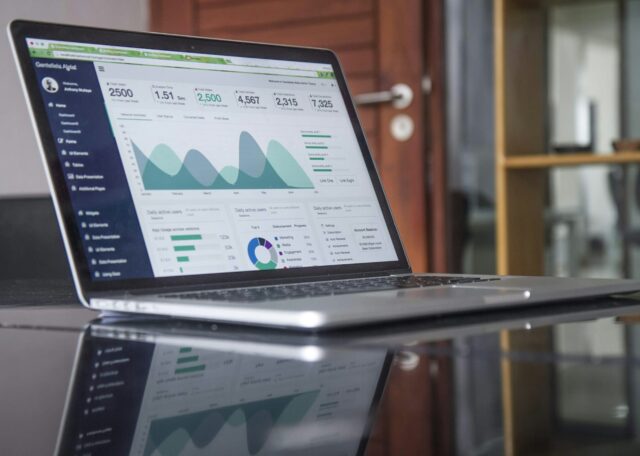
    free website traffic

    8. Implement a Content Distribution Strategy

    Getting your content in front of a broader audience is key:

    • Share on Content Aggregators: Submit your articles to platforms like Medium, LinkedIn Pulse, and Scoop.it to reach a wider audience.
    • Create Shareable Infographics: Develop infographics that summarize your blog posts and encourage others to share them.
    • Use Quora for Promotion: Answer questions on Quora and include links to your relevant content, driving traffic from users seeking information.

    9. Analyze and Adapt Your Strategies

    Regular analysis is crucial for ongoing success:

    • Use Google Analytics: Monitor your website traffic, identify which sources are driving the most visitors, and adjust your strategies accordingly.
    • Test Different Approaches: Experiment with different types of content, posting schedules, and social media strategies to find what works best for your audience.
    • Stay Updated: Keep up with industry trends and algorithm changes to adapt your strategies for maximum effectiveness.

    Conclusion

    Bringing free traffic to your website is entirely possible through a combination of SEO, social media engagement, content marketing, and community participation. By implementing these strategies consistently, you can attract more visitors, grow your audience, and achieve your online goals without spending a dime on advertising.

  • Social Media Strategies for Bloggers: Promoting Your Content Effectively

    Promoting blog content on social media is no longer optional. With millions of blog posts published every day, even high-quality content can go unnoticed without a clear promotion strategy. Social media helps you put your content in front of the right people, build long-term relationships with readers, and grow steady traffic beyond search engines.

    This guide is a practical, step-by-step how-to resource for bloggers at any stage. You will learn what social media promotion really involves, why it matters, and exactly how to do it effectively—without sounding spammy or wasting time.

    The focus is on simple, repeatable systems you can apply consistently, even if you are managing your blog alone.


    Understanding Social Media Promotion for Bloggers ✨

    Social media promotion for bloggers means strategically sharing, repurposing, and engaging around your blog content on platforms where your audience already spends time. It is not just about posting links and hoping people click. It involves understanding platform behavior, audience expectations, and content formats.

    Each social platform works differently. Some favor short, fast-moving updates, while others reward visual content or longer discussions. A successful blogger adapts their content style instead of using the same message everywhere. This is why promotion needs planning, not guesswork.

    At its core, social media promotion is about distribution and connection. You are distributing your ideas beyond your website and connecting with readers before and after they visit your blog. When done well, social media becomes a traffic source, a feedback channel, and a community-building tool.


    Why Social Media Matters for Blog Growth ✔

    Social media gives your blog immediate visibility, especially when you are still building search engine authority. A new blog post shared on the right platform can get attention within minutes instead of waiting weeks for rankings.

    It also helps build brand recognition and trust. When readers repeatedly see your posts, tips, or visuals in their feed, they begin to recognize your name and associate it with value. This familiarity increases clicks, shares, and return visits.

    Another key benefit is content lifespan extension. A blog post does not have to be promoted once and forgotten. Through social media, you can resurface older posts in new formats, keeping them relevant and useful long after publication.


    Choosing the Right Social Media Platforms 🎯

    Not every platform is suitable for every blog. The goal is not to be everywhere, but to be consistent where your audience actually is. Choosing the right platforms saves time and improves results.

    Start by identifying your content type. Educational, step-by-step content often performs well on platforms that support longer explanations or visuals. Opinion-based or trend-driven content may thrive where discussions move quickly.

    Focus on one or two platforms first. Learn their features, posting rhythm, and audience behavior before expanding. This approach helps avoid burnout and ensures higher-quality promotion.

    Tip: You can internally link this section to a guide like “How to Find Your Target Audience as a Blogger.”


    Optimizing Your Social Media Profiles for Traffic 👉

    Before promoting any blog post, ensure your social profiles are optimized for clarity and clicks. Many bloggers overlook this step, but it directly affects whether users visit your site.

    Your bio should clearly explain who you help and what your blog is about. Avoid vague descriptions. Use simple language and include one clear call-to-action that points to your blog or a key resource.

    Profile visuals also matter. A consistent profile photo and banner across platforms improves recognition. Where possible, highlight your latest blog post or a free resource in pinned posts or profile links.


    Creating Platform-Specific Content from One Blog Post 🔄

    One blog post can generate multiple social media updates without repeating the same message. This approach saves time and increases reach by matching platform preferences.

    For example, you can extract key tips, short explanations, statistics, or quotes from your article. Each piece should stand alone and make sense even if users never click the link.

    This method ensures your promotion feels helpful rather than promotional. People are more likely to engage when they get value directly in their feed.

    Insert an illustrative image here showing content repurposing workflow.
    [Alt text: diagram showing one blog post being converted into multiple social media posts]


    Writing Social Media Captions That Drive Clicks 📝

    A good caption does more than announce a new post. It creates curiosity, sets expectations, and encourages action without pressure.

    Start with a clear hook. This could be a common problem, a direct question, or a practical benefit. Avoid vague phrases like “Check this out” and focus on what the reader gains.

    Keep captions conversational and scannable. Short sentences, line breaks, and emojis used sparingly make your post easier to read. Always include a gentle call-to-action, such as encouraging readers to learn more or save the post.


    Using Visual Content to Boost Engagement 🎨

    Visual content increases visibility and engagement across almost all platforms. Even text-heavy blogs benefit from strong visuals that support key ideas.

    Simple graphics highlighting tips, steps, or quotes work well. You do not need complex designs—clarity matters more than decoration. Consistent colors and fonts help establish visual identity.

    You can also use screenshots, diagrams, or illustrations to explain concepts quickly. These visuals act as entry points that lead users toward your full article.


    Scheduling and Consistency Without Burnout ⏱

    Consistency matters more than frequency. Posting daily is not necessary if it leads to rushed or low-quality updates. A realistic schedule keeps your promotion sustainable.

    Content scheduling tools help batch your work and maintain regular posting times. Planning a week or month ahead reduces stress and allows you to focus on writing new content.

    Build a simple routine: publish your blog post, create a few promotional variations, schedule them, and move on. Over time, this becomes a repeatable system rather than a daily struggle.


    Engaging With Your Audience After Posting 💬

    Promotion does not end after clicking “post.” Engagement is a key signal for visibility and trust. Responding to comments and messages shows readers that a real person is behind the blog.

    Ask follow-up questions in comments to encourage discussion. This not only boosts reach but also gives insight into what readers want next.

    Engagement also helps refine future content. Feedback, questions, and reactions reveal gaps you can address in upcoming blog posts or updates.


    Using Analytics to Improve Your Social Media Strategy 📊

    Tracking performance helps you understand what works and what does not. Without analytics, promotion becomes guesswork.

    Focus on simple metrics first: clicks, saves, shares, and comments. These indicate whether your content resonates with your audience.

    Review results monthly and adjust your approach. If certain formats perform better, create more of them. Over time, small improvements lead to significant growth.


    Tools That Help Bloggers Promote Content Efficiently 🛠

    Using the right tools can save time and improve consistency. Below are popular tools bloggers use to manage social media promotion effectively.

    Buffer

    Feature Details
    Main use Scheduling social posts
    Best for Consistent posting
    Platforms Multiple social networks
    Pricing Free and paid plans

    Hootsuite

    Feature Details
    Main use Social media management
    Best for Monitoring and scheduling
    Platforms Multiple
    Pricing Paid plans

    Canva

    Feature Details
    Main use Visual content creation
    Best for Non-designers
    Platforms Web and mobile
    Pricing Free and paid options

    Tool Comparison Table

    Tool Best Use Skill Level Cost
    Buffer Scheduling Beginner Low
    Hootsuite Management Intermediate Medium
    Canva Visual design Beginner Low

    Common Mistakes Bloggers Should Avoid ⚠

    Many bloggers focus only on posting links repeatedly. This often leads to low engagement and muted reach. Social media users want value first, links second.

    Another mistake is spreading effort too thin. Managing too many platforms without a strategy leads to inconsistency and frustration.

    Ignoring analytics is also costly. Without reviewing performance, it is difficult to improve or scale results.


    Conclusion: A Practical Path Forward ✅

    Social media promotion works best when treated as a system, not a one-time task. By choosing the right platforms, optimizing profiles, repurposing content, and engaging consistently, bloggers can steadily grow traffic and visibility.

    Start small. Pick one platform, apply the steps from this guide, and build habits gradually. Over time, social media becomes a reliable extension of your blog, not a distraction.

    The key takeaway is simple: focus on value, consistency, and clarity. When readers benefit from your presence, promotion becomes natural and effective.


    Frequently Asked Questions (FAQs)

    1. How often should bloggers promote a blog post on social media?
    You can promote the same post multiple times using different formats. Spread promotion over weeks instead of posting once and stopping.

    2. Is social media still effective for new blogs?
    Yes. Social media offers faster visibility than search engines for new blogs when used consistently.

    3. Should I promote old blog posts too?
    Absolutely. Older posts can be refreshed, updated, and reshared to reach new audiences.

    4. Do I need to be on every social platform?
    No. Focus on platforms where your audience is most active and where you can stay consistent.

    5. How long does it take to see results from social media promotion?
    Results vary, but consistent effort over several weeks usually shows measurable engagement growth.

    6. Are paid ads necessary for bloggers?
    Paid ads are optional. Many bloggers grow organically using value-driven content and engagement.

    7. What type of content works best for blog promotion?
    Educational tips, visuals, and problem-solving posts tend to perform well across platforms.

    8. Can I automate social media promotion completely?
    Automation helps with scheduling, but engagement and replies should stay personal.

    9. How do I avoid sounding spammy?
    Share value first. Focus on insights from your content rather than constant link posting.

    10. What is the biggest mistake bloggers make on social media?
    Inconsistency. Posting irregularly or without a strategy reduces long-term impact.